The short version
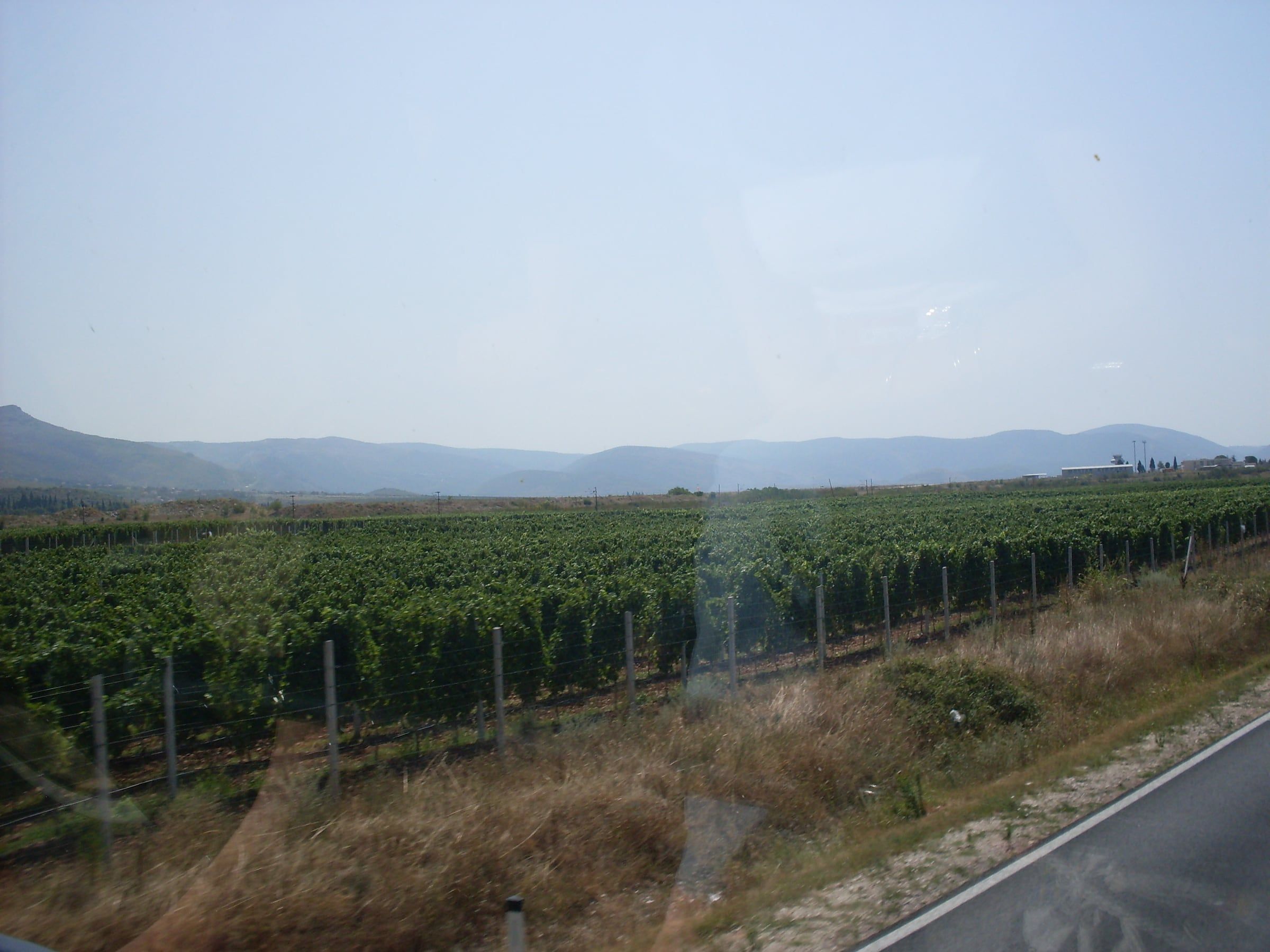
Herzegovina is the southern half of Bosnia and Herzegovina, and Mostar is its main city. The countryside around it is wine country. Two grapes matter: Žilavka, a white, and Blatina, a red. Both are rare outside the region, so a visit to Mostar is one of the few chances to try them.
Wikipedia’s cuisine article states that the best local wines come from Herzegovina because of its climate. For the food that goes with them, see our Bosnian food guide.
Žilavka, the white grape
Žilavka (said “ZHEE-lav-ka”) is a white grape grown mainly in Herzegovina. It is planted primarily in the Mostar region, which is why you will see it on almost every wine list in town.
Most of the production is south of Mostar. Wikipedia names the area around Čitluk, Međugorje, Ljubuški and Čapljina. If you are driving to Međugorje, you will pass through the country where it grows.
The same page lists a number of producers. We are not recommending any, since we have not tasted or checked them, and quality changes from year to year. A better approach is to ask your waiter which Žilavka they pour and why.
We do not describe flavours here. Tasting notes are personal, and we would rather you form your own.
Blatina, the red grape
Blatina is a red grape from Herzegovina, grown in the same area as Žilavka. Wikipedia describes the wine as a dry red with 12 to 13.5% alcohol and a dark ruby colour.
That is as far as our sources go. Blatina is not on the cellar list at Tvrdoš monastery, which we describe below, so do not assume every winery makes it. Menus in Mostar often list it, and it is a natural partner for the grilled meat described in food and drink.
The wine areas
The cuisine article names these places as wine areas in Herzegovina: Mostar, Čitluk, Ljubuški, Stolac, Domanovići and Međugorje.
On a map, most of them lie south and south-west of Mostar. We have not verified driving times to each, so check a map before planning. Wine tourism here is still small, and a guided tasting or a driver is easier than finding cellars yourself.
For a tasting without a drive, one guided Old Town walk includes an optional wine tasting, though you should confirm what is included when you book.
Trebinje and the Tvrdoš cellars
Further south and east, the town of Trebinje has its own wine tradition. Tvrdoš monastery is a Serbian Orthodox monastery founded in the 15th century, about 2 km south-west of the town according to Wikipedia. It has wine cellars.
The monastery’s own website lists these wines: Vranac, Hum (Cabernet Sauvignon), Izba (Merlot), Metoh, Žilavka, Oros and Ruj. It also lists a spirit called Lozovača and Travarica. Note that Blatina does not appear on that list.
The site gives no address, tasting times or fees, so we cannot tell you whether you can walk in. Contact the monastery before you go. Our guide to Trebinje covers the town. We have not verified the journey time from Mostar to Trebinje, so allow time.
Rakija and lozovača
Rakija is the fruit brandy found across the Balkans. We have not verified details of the different kinds, so we keep to what our sources show.
The one we can confirm is lozovača, a grape rakija. The Tvrdoš monastery lists it among its products. If you see it on a menu, it is the spirit made from grapes, which fits a wine region.
We have not verified how it differs from other grape spirits, how strong it is, or how it is usually served. Ask the staff, and take small sips.
Tasting near Mostar
Our sources are limited on what you can do near the city, so here is what we can say:
- Wine is grown mainly south of Mostar, so you will pass through it on the way to Međugorje.
- A guided Old Town walk in Mostar includes an optional wine tasting.
- Restaurants in the Old Town list Herzegovina wines. See where to eat for the types of place.
- Winery visits need to be arranged with the producer. We have not verified opening hours or prices.
If you want to combine wine with a day out, Blagaj and Međugorje are the usual nearby trips, and the nearby page lists the rest.
How to read a wine list
Most menus in Mostar give the grape, so you can ask for Žilavka or Blatina by name. If the list shows only a producer and a year, ask the waiter whether it is a white or a red and which grape it is made from. That is the quickest way to find a local wine rather than an imported one.
Wine is sold by the glass in many places and by the bottle in most. We have not verified prices or typical serving sizes, so check the list and ask. If you are sharing a bottle with a meal, a white Žilavka works as a starter wine, and you can move to Blatina with the main course.
Planning a wine day
If wine is your reason for visiting, give it a whole day rather than a few hours. The wine areas are spread out, and visits are easier to plan than to improvise. A driver or a guided trip lets everyone taste. If you book a trip, check whether a tasting is included.
Combine the day with one other stop, for example Međugorje, so that you are not driving long distances between cellars. Book any winery visit in advance, because we have not verified that cellars accept walk-ins. Carry water, and leave the driving to someone who is not tasting.
What to pair it with
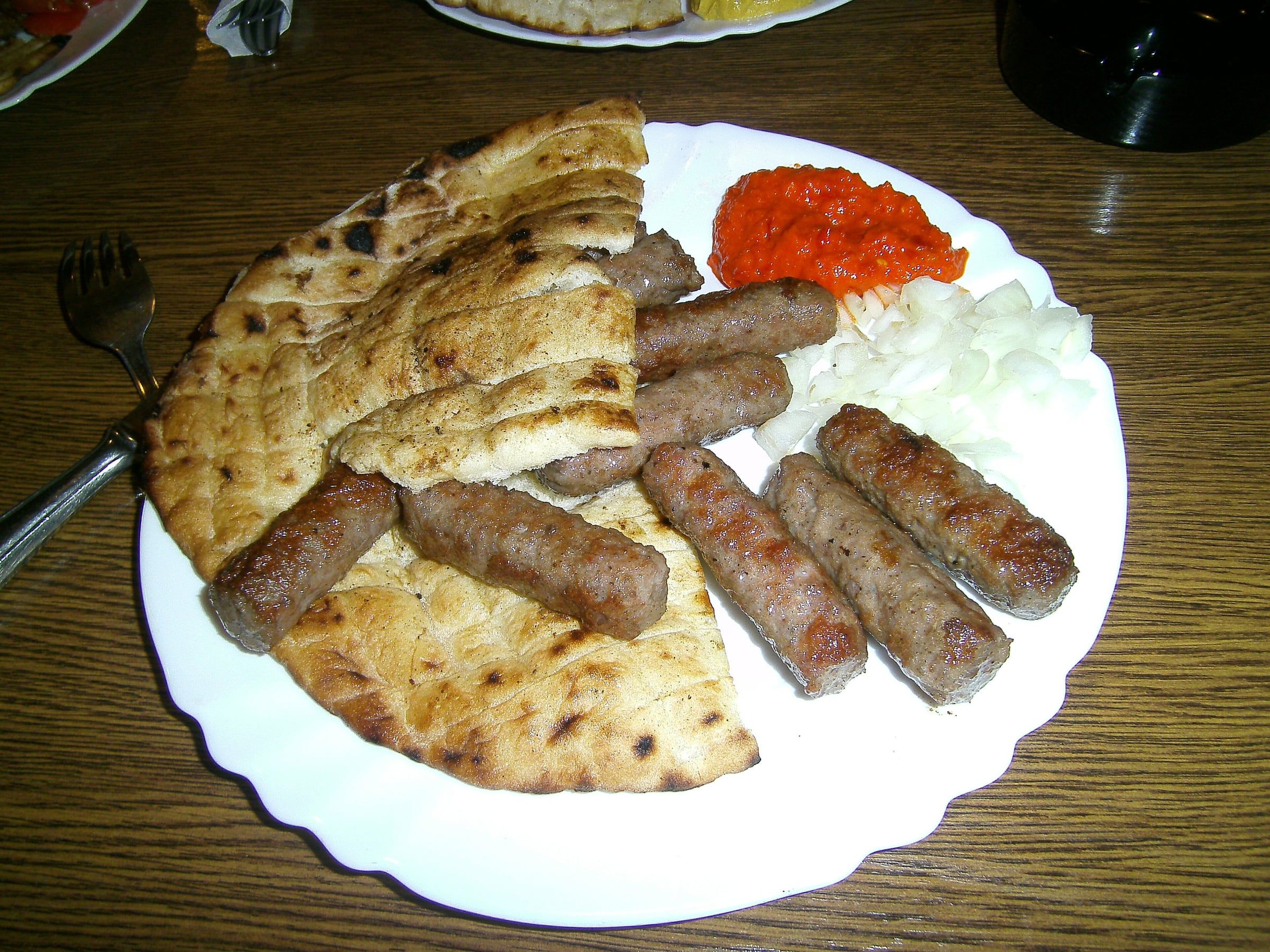
Žilavka is a white wine and Blatina a dry red. Beyond that, we will not prescribe matches. Try the white with a pita or a lighter dish, and the red with grilled meat such as ćevapi, and see what works for you.
Coffee is the usual way to end a meal, and you can read about it in our Bosnian coffee guide. Remember that you may be driving the next day, and that Bosnian roads reward a clear head. Our Mostar itinerary and where to stay pages help you plan an evening with wine and a walk home.