What Bosnian coffee is
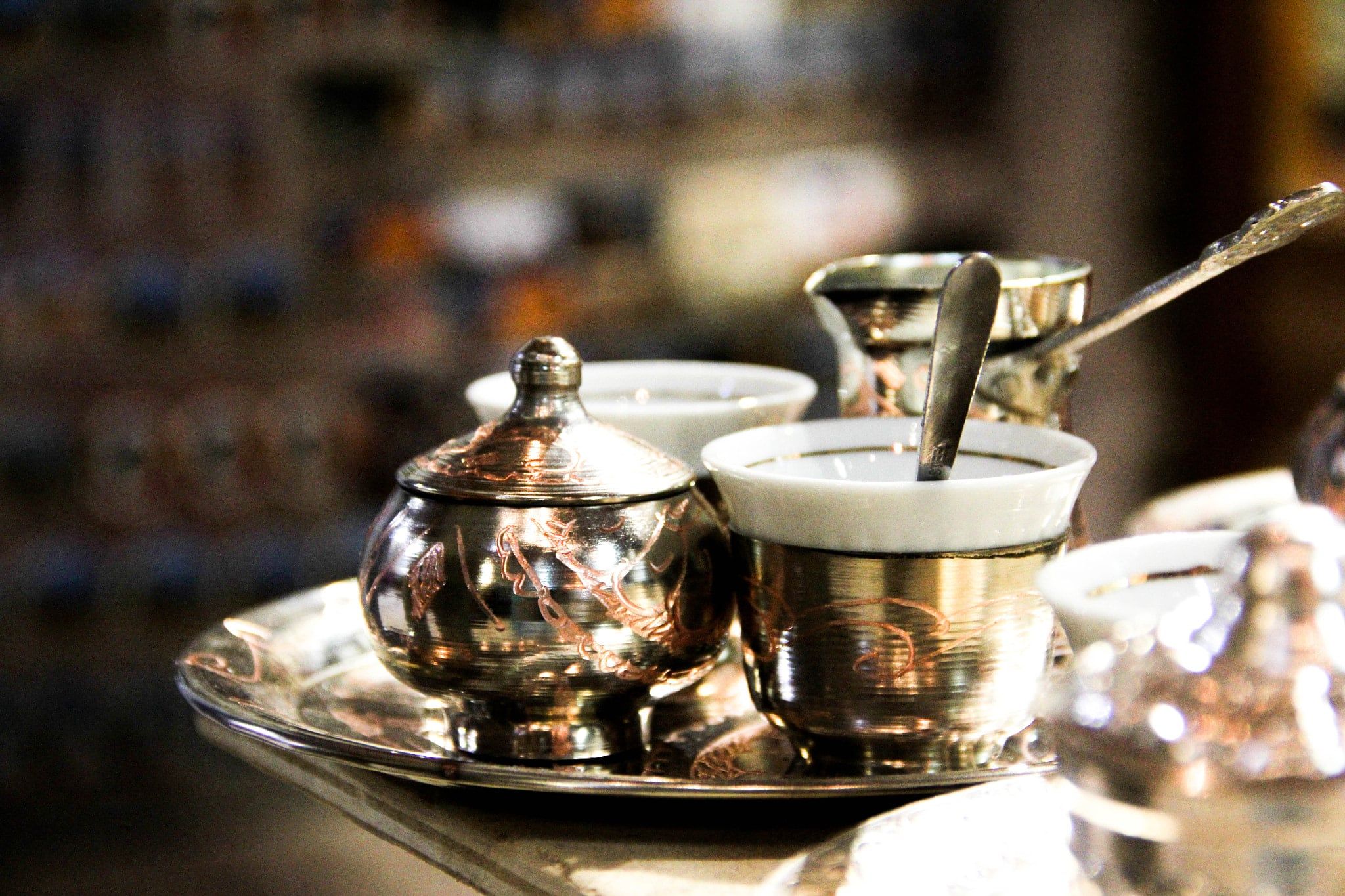
Bosnian coffee is finely ground coffee brewed in a small pot and served with the grounds still in the cup. You do not strain it. You wait for the grounds to settle, then sip from the top and stop before the bottom.
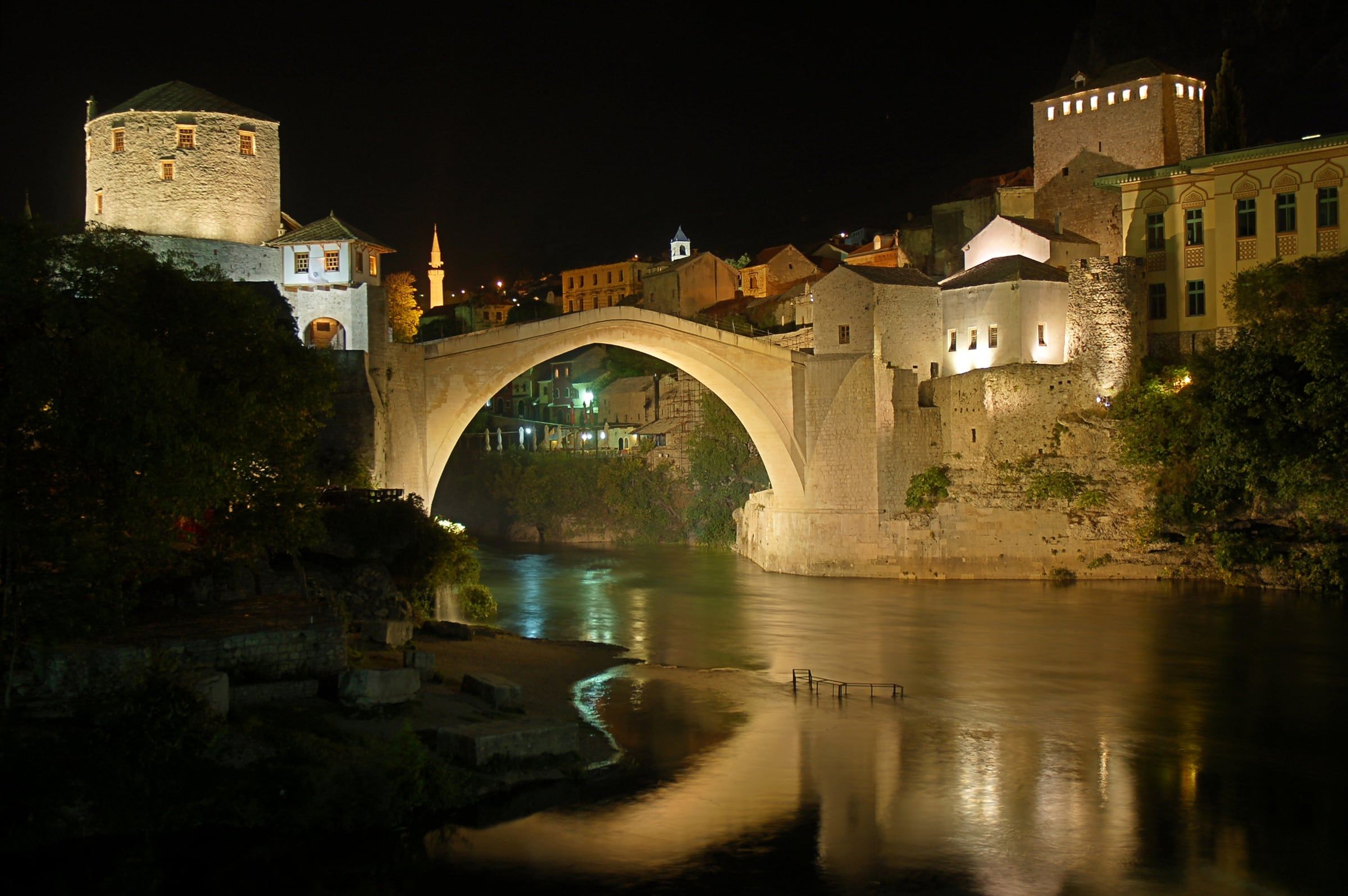
In Bosnia it is a daily habit and also a reason to sit down. A cup in Mostar is as much about the time as the drink, and you will see people hold one table for an hour.
The džezva
The pot is called a džezva (said “JEZ-vah”). It is small, usually copper or brass, with a long handle and a narrow neck that keeps the grounds from boiling over. Wikipedia describes it as the same kind of pot as the Turkish cezve.
The Old Town guide shows where the bazaar on Kujundžiluk sits. We have not verified which stalls sell džezve or at what price, so look and compare before buying.
How it is made
The method has a small twist, which Wikipedia presents as the main difference from the Turkish approach.
- Water is brought to the boil in the džezva.
- A little of the hot water is set aside.
- The coffee is added to the pot with the water.
- The mixture is brought back to the boil.
- The water you reserved is used to finish the coffee.
That is the whole recipe. The point is that it is simple and the quality depends on the coffee and the timing.
How it differs from Turkish coffee
Wikipedia says Bosnian coffee is “nearly identical” to Turkish coffee in neighbouring countries. Do not expect a dramatic difference in the cup. The distinction is the method above, and the way Bosnians talk about it.
Be careful with one claim. UNESCO lists “Turkish coffee culture and tradition”, which it inscribed in 2015. The UNESCO page we read does not mention Bosnia, and our sources show no separate listing for Bosnian coffee. So we do not say it has UNESCO status.
Many cafés will simply call it Bosnian coffee, and a few menus say Turkish coffee. If it matters to you, ask what they call it.
How it is served
Details of service vary from place to place. Our sources do not describe the cups, sweets or sugar, so we do not claim that every café serves coffee with a certain accompaniment. What you can expect to see:
- A small pot of coffee, or a cup already poured.
- A glass of water on the side in some cafés.
- Something sweet from the café’s counter, if you want it. Baklava and the other puddings are described on our food and drink page.
If you are served a pot, pour slowly, leave the last mouthful, and let it sit for a minute before drinking. If you are offered sugar, it is your choice how much to add. Some people like it plain.
We have not verified whether fildžan (the small handleless cup), rahat lokum (a soft sweet often called Turkish delight) or sugar cubes are standard, so we suggest you look at your own table and see.
Café culture
Coffee in Mostar is a social event. Cafés sit by the river, in the lanes off the bazaar, and in the modern streets outside the Old Town. Nobody will hurry you.
The terraces next to the Old Bridge charge more for the view. A café a street or two back is usually cheaper and quieter. See where to eat for the types of place to look for, such as a kafana or slastičarna, and the lanes where they cluster.
Fit coffee into your day rather than treating it as an extra. The Mostar itinerary leaves room for an afternoon break, which is when the Old Town thins out after the day-trip groups leave.
How to order
- Say what you want: “Jednu bosansku kafu, molim” means “one Bosnian coffee, please”. The language and phrases page has more words to practise.
- Ask how it comes: some places bring a small pot, others pour into the cup in the kitchen.
- Do not stir once the grounds have settled.
- Pay in KM: small cafés often prefer cash. See money and currency.
- Do not rush: if you want the bill, ask for it. Staff will not bring it unprompted in many places, though we have not verified the custom.
What to expect in the cup
Because the grounds stay in the cup, the coffee is thicker than filter coffee or an espresso. We have not verified any particular strength or caffeine figure, so we leave that out. What you can rely on is the method: the coffee is brewed, not strained, and the grounds are part of the drink.
If you do not like grounds, drink slowly from the top and stop when the liquid gets thick. Nobody expects you to finish the cup. If you want a milder drink, most cafés also serve other coffees, and you can ask the staff what they have.
A short routine for a first cup
- Sit down and wait. Table service is the norm in most cafés, so you do not need to queue.
- Order one Bosnian coffee, and say whether you want sugar if you are asked.
- Let the pot or cup sit for a minute. This lets the grounds settle.
- Sip slowly. Put the cup down between sips, as locals do.
- Ask for the bill when you are ready. There is no rush to leave.
This is how most visitors learn the pace, and it also explains why a coffee break in Mostar can take an hour. Build that time into your plan and the city will feel less crowded.
What to pair it with
Coffee is the usual partner to the sweet things in a slastičarna. Baklava, tufahija (a stewed apple stuffed with walnut) and hurmašica (a date-shaped pastry in syrup) are all listed in our sources. Bosnian puddings are sweet, so a strong, unsweetened coffee suits them.
Read Bosnian food for the savoury side, and Herzegovina wine for what to drink after the afternoon.