The short version
Mostar is easy to visit, but Bosnia and Herzegovina is not part of the EU, so a few things differ from a trip to Croatia or Italy. You need a passport, local currency for small payments, and a plan for your phone. This page gives a short answer on each topic and links to the longer guide.
This is general information from an independent guide, not official advice. Rules and prices change, so check GOV.UK, or your own government’s travel advice, before you travel.
Money
Bosnia and Herzegovina uses the convertible mark, written KM, with the international code BAM. It is pegged to the euro at EUR 1 to 1.95583 KM, and the Central Bank of Bosnia and Herzegovina issues it under a currency board arrangement. That is a system in which the local currency is tied to a fixed rate against a foreign one, so the rate does not drift from week to week.
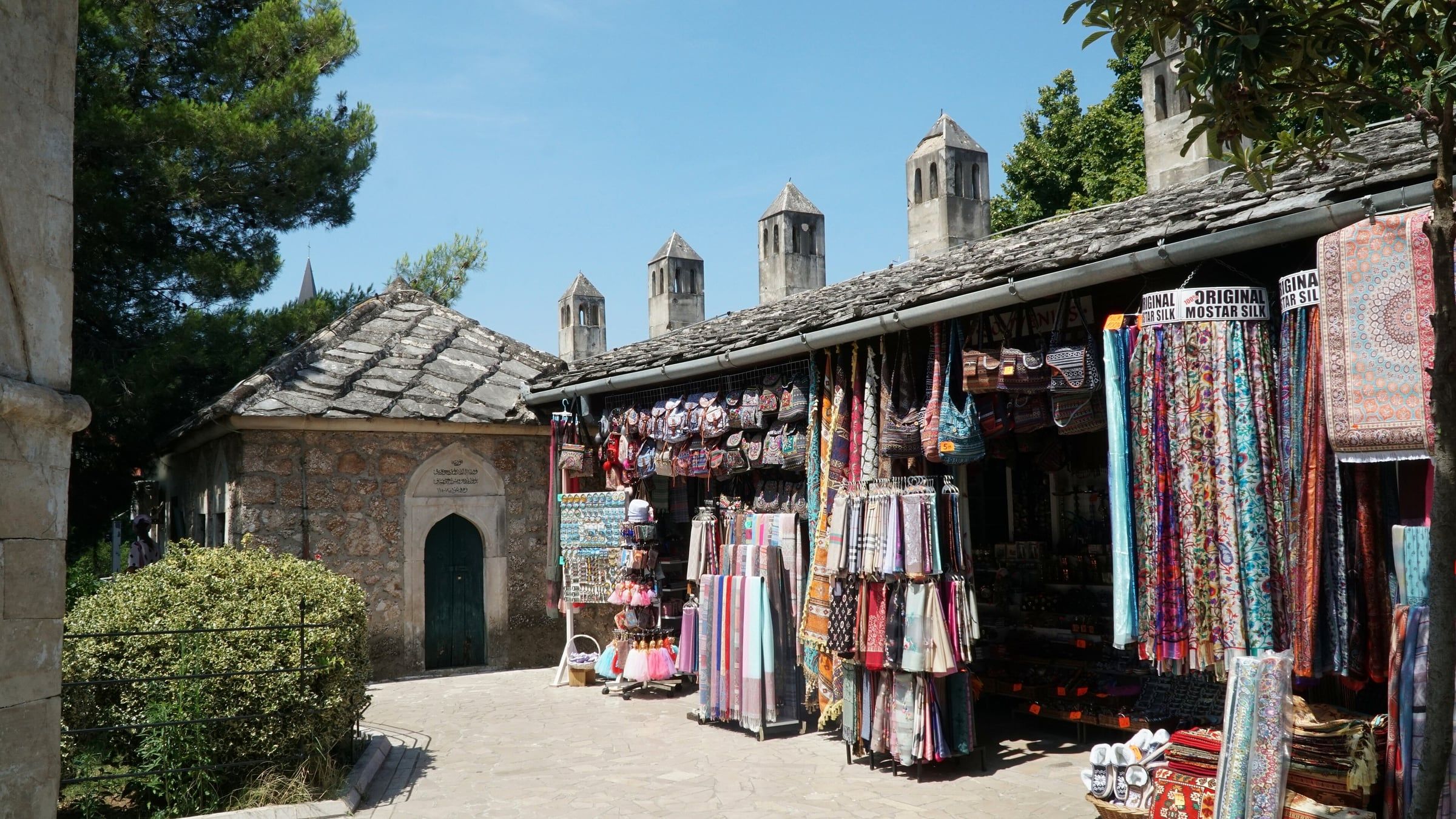
We found nothing official on whether shops take euros, and prices are quoted in KM, so carry some KM for small payments. Many fees in this guide are in KM, from the 20 KM adult entry at the Kravice waterfalls to museum tickets in the Old Town. We have not verified where cards are accepted, so do not assume it for taxis or small cafes.
Our money and currency guide covers cash, cards, budgeting and what day-trippers from Croatia need.
Entry rules
GOV.UK says UK visitors do not need a visa for tourism for up to 90 days in any 6 months. Your passport must have been issued less than 10 years before you arrive and must expire at least 90 days after you leave. Foreign nationals must register with the police within 72 hours, which hotels usually do for you. Get an entry and exit stamp, because leaving without an exit stamp can mean a fine.
Anyone aged 17 or under travelling without both parents needs a notarised letter of permission. Other nationalities should check their own government’s advice, because we have only verified the UK position.
The entry requirements guide has the full list, including what changes at the Croatian border now that the EU Entry/Exit System is running.
Safety
Mostar is a normal tourist city, and GOV.UK’s main warnings are petty crime and landmines. It reports pickpockets and bag-snatchers on public transport and in tourist areas of Bosnian cities, and says car thefts have increased around Sarajevo. Demonstrations happen occasionally, are normally peaceful and can disrupt traffic. GOV.UK also says terrorist attacks cannot be ruled out, as it does for many countries.
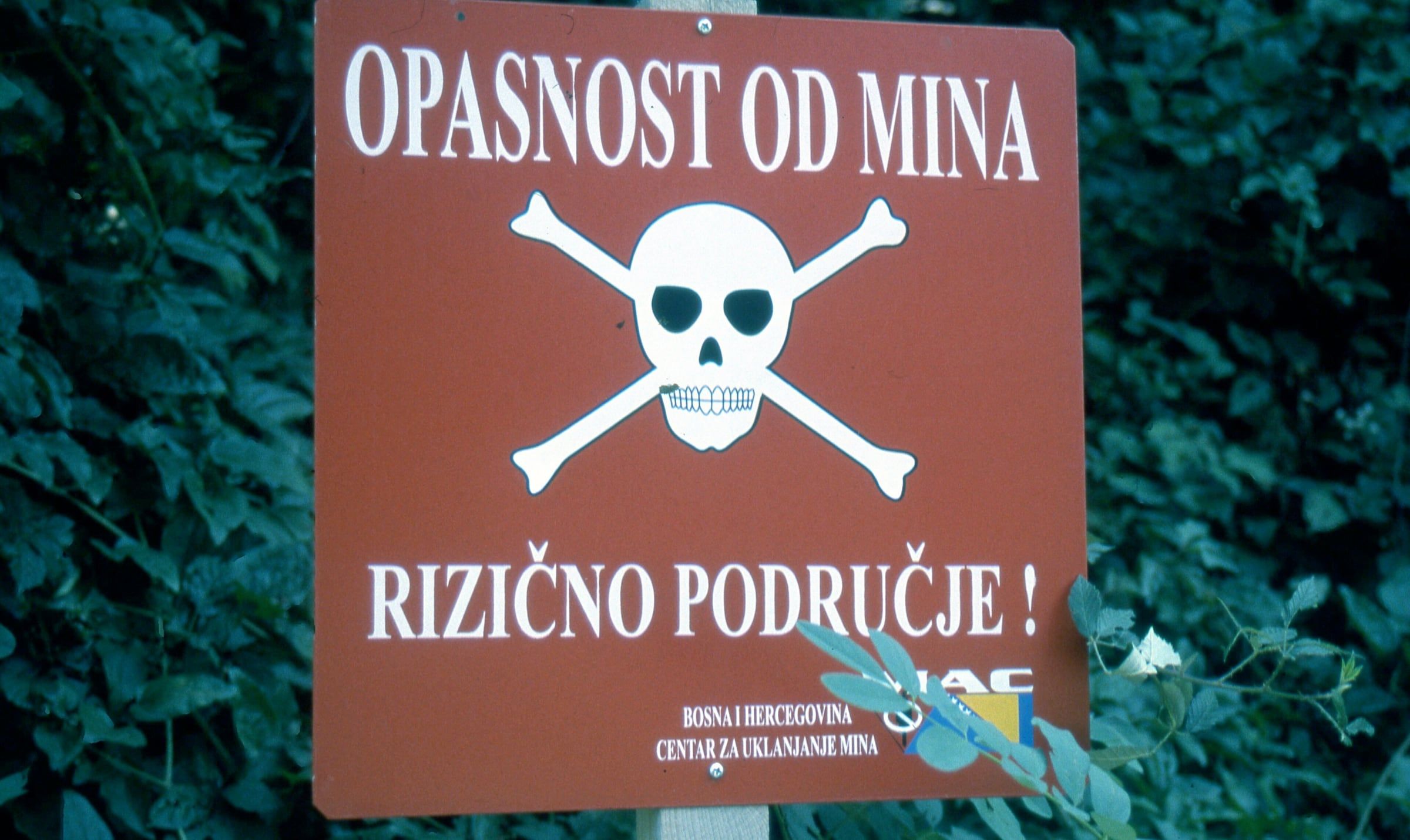
Landmines remain from the 1992 to 1995 war. Major routes and populated areas are largely clear, but rural areas are at risk, and GOV.UK says not to step off roads and paved areas without an experienced guide. Take extra care near former conflict lines, roadsides, abandoned buildings, woods and orchards.
Read is Mostar safe before you plan any walk away from the town.
Language
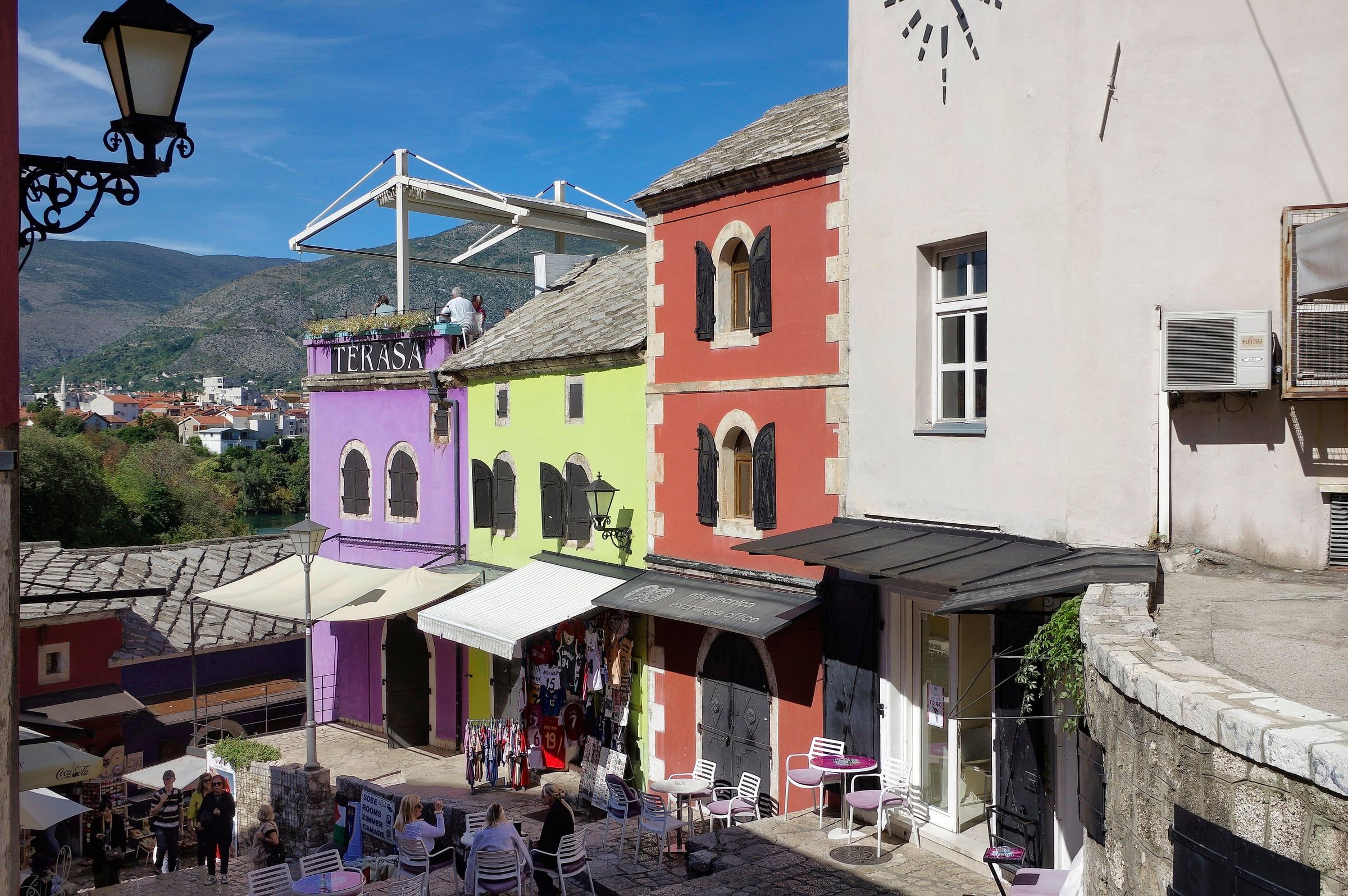
Bosnian, Croatian and Serbian are the languages you will hear, and they are mutually intelligible. Bosnian and Serbian can be written in Latin or Cyrillic script, and Croatian only in Latin. You will see both, mostly Latin, so street signs and menus are rarely a problem.
A few words go a long way: dobar dan (good day), hvala (thank you), molim (please) and račun, molim (the bill, please). The letter č sounds like “ch” in church, š like “sh”, and ž like the “s” in measure.
Our language and phrases guide has a longer list.
Phones and SIM cards
Bosnia is outside the EU, so check your UK network’s roaming charges before you travel. The alternative is a local tourist package. BH Telecom sells prepaid tourist packages and an eSIM, including a physical SIM at its shops, at newsstands with an Ultra sticker and at airports, bus and railway stations in Bosnia.
HT Eronet, the operator based in Mostar, sells an “!hej Tourist” tariff at its sales points, kiosks, shops and petrol stations. m:tel has eSIM and prepaid options as well. Prices change, so look at the operators’ own pages rather than relying on a figure here. The phones and SIM cards guide compares the options.
Health and emergency numbers
GOV.UK says the UK GHIC and the EHIC do not cover Bosnia and Herzegovina, so buy travel insurance that covers local treatment and medical evacuation. Facilities are limited outside Sarajevo and the major towns. Pharmacies may not recognise a UK prescription, although a local doctor can issue a Bosnian one. GOV.UK also lists ticks and biting insects among the health risks, and suggests checking TravelHealthPro before you go.
For an ambulance, GOV.UK gives 124. It lists 112 as an emergency number in its safety advice. We could not confirm a police number from an official page, so we do not give one: ask your accommodation to write it down for you.
A checklist before you go
- Check your passport dates: issued less than 10 years ago, and valid for at least 90 days after you leave.
- Buy travel insurance that covers local treatment and medical evacuation, because the GHIC and EHIC do not apply.
- Check your UK network’s roaming charges, or pick a local tourist SIM or eSIM.
- Carry some KM for small payments, even if you pay for most things by card.
- If you are driving, get the 1968 International Driving Permit before you leave the UK, and read the driving section of our getting there page.
- Tell your accommodation when you arrive, so it can register you with the police within 72 hours.
- Save the ambulance number, 124, and the general emergency number, 112, in your phone.
Day trips from the coast
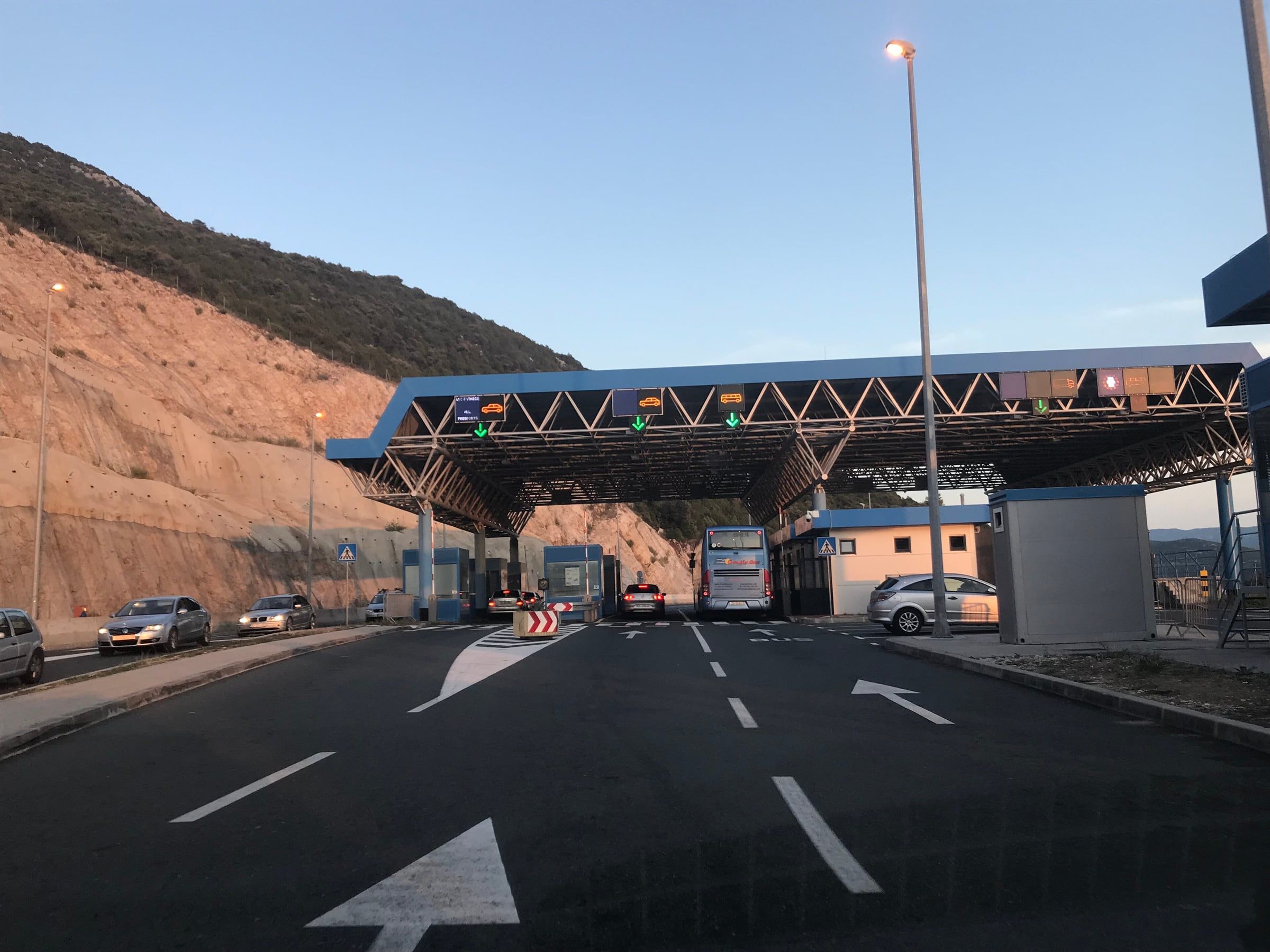
Many visitors reach Mostar on a day trip from Dubrovnik or Split. The practical points are the same, with one addition: you cross an international border each way, so bring your passport and allow extra time. Our guides to Mostar from Dubrovnik and Split to Mostar cover the routes in detail.
Planning the rest of the trip
- Where to stay: which part of Mostar suits which kind of visitor.
- Best time to visit: the seasons, with the summer heat figures.
- Getting there: train, bus, plane and car routes into Mostar.